Utility Basin Installation in Denver, CO
Utility basin installation services involve setting up essential underground containers that manage wastewater, stormwater, or other utilities on residential properties. These installations are common for projects such as septic system setups, yard drainage solutions, or utility connections for new constructions. Property owners typically want to understand the scope of the installation process, including site preparation, the type of basin suitable for their needs, and how it integrates with existing systems. Clarifying the materials used and the maintenance requirements can also help homeowners make informed decisions before requesting service.
Before requesting utility basin installation, property owners should consider factors like the location of the basin, accessibility for future maintenance, and local regulations or permits that may apply. Understanding the size and capacity needed for the basin based on property size and usage can ensure proper functionality. It’s also helpful to know if any excavation or grading work is necessary, as these steps can impact the overall project planning. Gathering this information in advance can facilitate a smoother installation process tailored to the property's specific requirements.
Many property owners in Denver, CO look into Utility Basin Installation for repairs, replacements, upgrades, and appearance-related improvements.
Utility Basin Installation Basics
Proper installation ensures reliable water and utility access for residential and commercial properties.
Common Applications
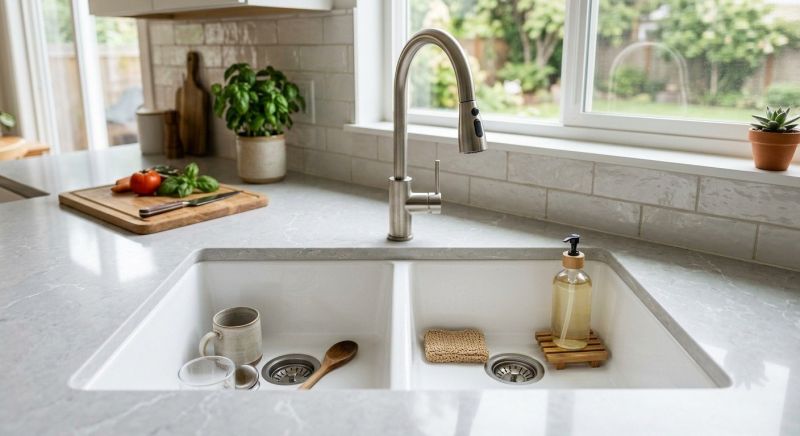
Utility basins are often used for drainage, sewage, and utility connections in denver-area projects.
Maintenance And Upgrades
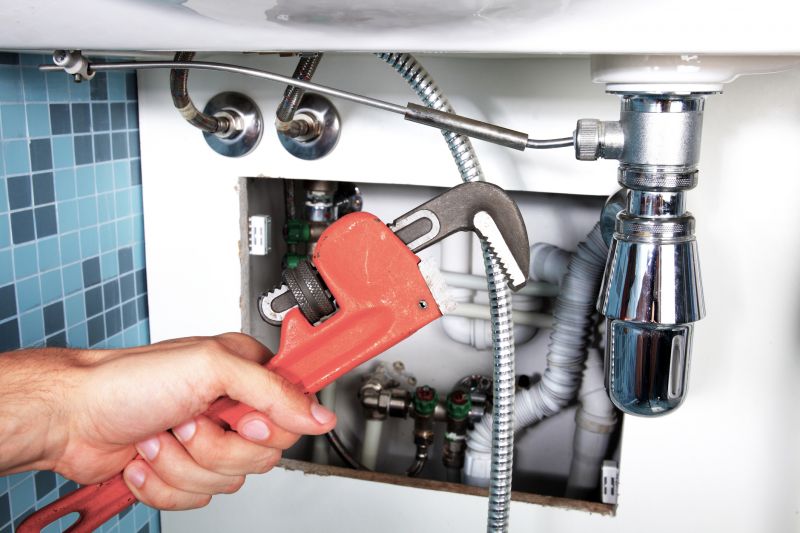
Regular inspection and upgrades can extend the lifespan and functionality of utility basins on your property.
Utility Basin Installation in Denver, CO
Utility basin installation services involve setting up essential underground containers that manage wastewater, stormwater, or other utilities on residential properties. These installations are common for projects such as septic system setups, yard drainage solutions, or utility connections for new constructions. Property owners typically want to understand the scope of the installation process, including site preparation, the type of basin suitable for their needs, and how it integrates with existing systems. Clarifying the materials used and the maintenance requirements can also help homeowners make informed decisions before requesting service.
Before requesting utility basin installation, property owners should consider factors like the location of the basin, accessibility for future maintenance, and local regulations or permits that may apply. Understanding the size and capacity needed for the basin based on property size and usage can ensure proper functionality. It’s also helpful to know if any excavation or grading work is necessary, as these steps can impact the overall project planning. Gathering this information in advance can facilitate a smoother installation process tailored to the property's specific requirements.
Many property owners in Denver, CO look into Utility Basin Installation for repairs, replacements, upgrades, and appearance-related improvements.
Common Utility Basin Installation Jobs
Utility Basin Installation - Provides a secure and accessible location for water and utility connections on residential properties.
Utility Basin Replacement - Replaces outdated or damaged basins to prevent leaks and improve functionality.
Utility Basin Repair - Fixes cracks, leaks, or other issues to maintain proper utility operation.
Utility Basin Maintenance - Ensures basins remain clean, functional, and free of blockages for reliable service.
Utility Basin Upgrades - Enhances existing basins with modern features for increased durability and ease of access.
Utility Basin Inspection - Assesses the condition of basins to identify potential problems before they escalate.
Utility Basin Installation Questions
What is a utility basin installation? It involves setting up a designated area for utility connections, such as water, sewer, or electrical lines, to service a property efficiently.
When is a utility basin needed? A basin is typically required when establishing new utility connections or upgrading existing infrastructure for proper drainage and access.
What materials are used for utility basins? Common materials include concrete, plastic, or fiberglass, chosen based on durability and the specific utility requirements.
How does a utility basin improve property management? It provides organized access to utility lines, helps prevent flooding, and simplifies future maintenance or repairs.
Request Utility Basin Installation in Denver, CO
Use the quote form on this page to share the basics of your project and request more information for the type of work you need.